Getting by with a little help from our friends
Dear s.e.,
Is supporting people going through pet grief any different, really, than supporting people grieving human loved ones? Is there anything you've found is particularly helpful or supportive? A friend of mine lost many pets in a short time several years ago, and they are still struggling with that loss, and I'm not sure how to best support them.
—Tentative in Texas
The short answer here is: it is different, actually.
It’s not that the nonhuman animals in our lives are less important, that their lives and deaths mean less, that they are “practice” deaths. It’s that society thinks they are, and that makes the experience of pet loss a very different kind of grief that’s difficult in its own, distinctive way.
Outsiders may not understand the depth and complexity of the connection someone can have with a nonhuman animal; we sometimes know our pets better than other people, and certainly more intimately than people we don’t live with. They’re often with us through big life transitions and incredibly hard times, and our bonds can be remarkably intense.
While people in general would prefer that grief go away and be busy somewhere else, with pet loss, that pressure is really exacerbated, because it’s not treated as a real, serious loss. People may feel like they can’t talk about it openly, or have to be careful about who they talk to, fearing dismissal or gross comments—it’s been six weeks, why aren’t you over it? When are you going to get another one? He was just a dog, I guess I’m not understanding what the big deal is?
Send your future self a present: Preorder my book, All My Dead Cats and Other Losses: Practicing Good Grief in a Culture That Fears Mourning. Send me proof of your preorder and you'll get some fun stickers in the mail!
They’re often deprived of an opportunity for any kind of recognition of their loss aside from a “bummer about your cat” from Marci in Accounting. Any kind of pause to mark a pet’s life tends to be very small and private, restricted to family or close friends. In a country that’s already parsimonious with paid leave policies, almost no workplaces allow people to use bereavement leave for their pets. We don’t really have public ceremonial events like funerals and memorials, except in some rare cases, one of which, weirdly enough, is law enforcement, where they do hold memorials for working animals, but let’s not get sidetracked.
A death but no formalized rites can leave a person feeling pretty adrift.
This is a phenomenon that they call in the biz “disenfranchised grief.” It’s a grief you can’t work with and move through because you get stuck by not being able to talk about it; feeling like no one understands or respects you; not having anywhere to take that loss. Instead of integrating it into your life you’re supposed to just jam it into a cardboard box and then pretend you don’t notice that weird smell from the corner.
When we lose several pets in a short period of time, we’re not just mourning sequential losses, too: We’re probably also watching our other pets grieve, and feeling crappy that all we can do is be with them in this moment while everyone around us is not understanding what the big deal is.
So, when you support people through pet loss, you are supporting them in ways that are different from their human losses, both in the short-term, acute phase of grief, and the long-term grief that your friend is having so much difficulty with. There’s ~ all that grief stuff ~ and then there’s the anger and frustration that comes with feeling like you aren’t allowed to grieve. Being a person who sticks around through that long grief is so important and I’m glad you’re here for your friend!
Making yourself a person your friend feels safe around when they’re having these big feelings is a great thing to do. Even when you might not feel like you’re saying or doing anything useful, your presence makes a big difference. People in long-term grief can feel awkward if they sense they are the only ones talking about it, and think people don’t care or want them to stop talking about it, so letting them know you’re around and not “tired of hearing about it” is A+ friendship.
Many people experiencing pet loss just want to be heard. Being an intentional listener means a lot. If they’re talking about their pets or that period of their life a lot, you can pause to be with them in that moment; if you knew their pets, reflect on something you remember about them. Explicitly acknowledge that death really sucks and grief can be a long process, so your friend knows that you’re there and ready to listen when they’re having a bad day. You’re not a therapist (neither am I!) but there is something to be said for the practice of active listening and reflecting what you’re hearing back to your friend because just having someone acknowledge and repeat the way you are feeling can be huge.
Your friend might also be processing events that happened (good and bad!) alongside those deaths, too, and not know quite how to talk about them. People really don’t like talking about things that make them uncomfortable so your friend might not have had a chance to really consciously explore those, or might have had discouraging, frustrating, or upsetting conversations about this with other people that left them feeling shut down. Or your friend might not even be aware that these things are weighing on them and complicating the way they reflect on that period in their life.
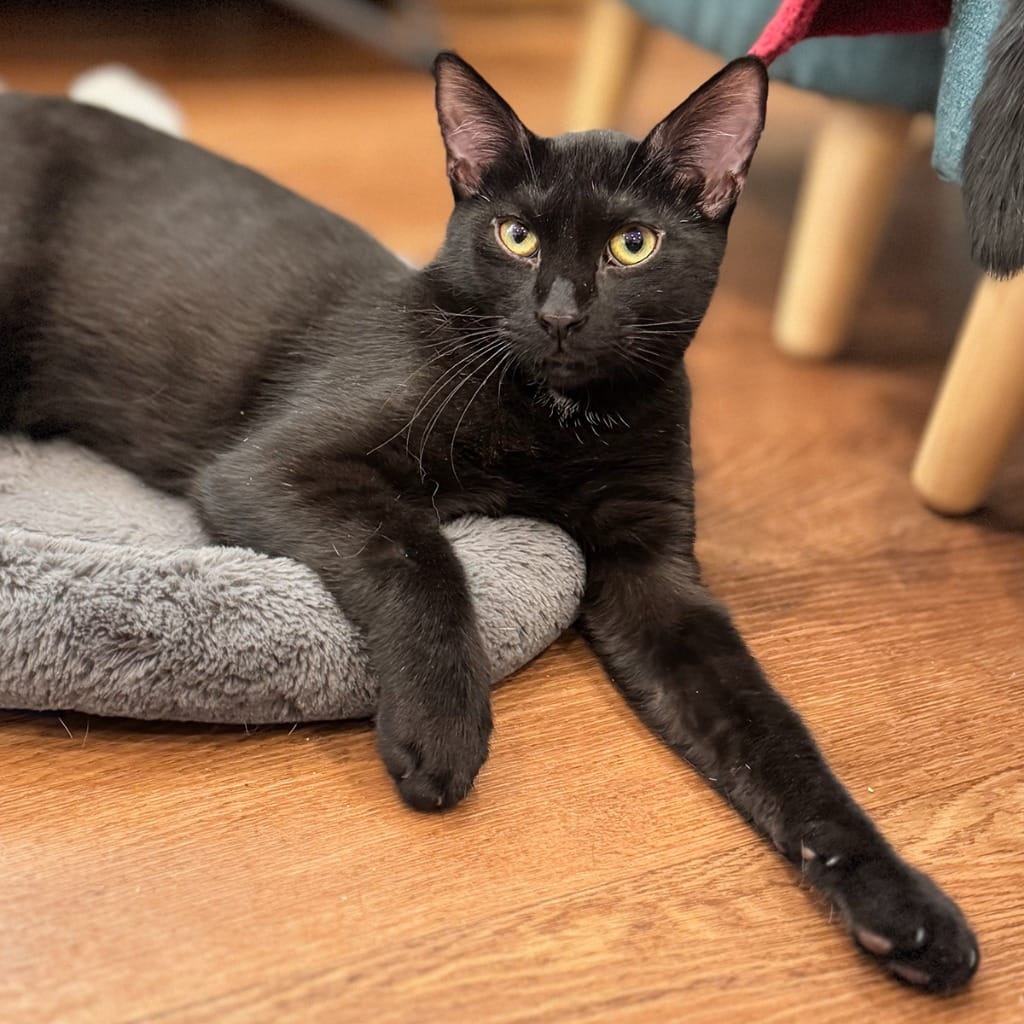
One-year-old Sage started life in the backyard, and now he's lounging at Good Home Pet Adoptions in Brooklyn, New York. He's still building up confidence around people (treats and toys help!) and he might take a little while to get comfortable with his new family, but Sage is well worth the wait. Their staff recommend that he have a cat friend at home: If you don't have a cat yet, they can help you make the purrfect match. If you have a pet of the week nomination from a shelter or rescue in your area, you can email POTW at allmydeadcats.com.
Sometimes things get real tangled up and it’s hard to figure out precisely where one stops and the other begins; having gone through a few pretty big life changes myself in the last six months, I’m very aware of how things start to blur together. Loss takes a lot of forms and any kind of disruption to your life can leave an impact; if a pet dies while you are also moving, or putting a human family member in hospice, or going through a divorce, those events are obviously gonna leave a mark. That’s true even if it’s a thing your friend felt good about—it can feel super weird for something awful and something amazing to happen at the same time. If that’s the case for your friend, you can open up conversation about those, too.
You also don’t have to wait for them to bring it up—it might feel a little weird to be like “hey, remember that time your gecko died?,” but I assure you there are graceful ways into that conversation. I was going through an old external hard drive recently, for example, and found some photos of a friend’s beloved cat who died a few years ago and I sent a couple to her with a little note to let her know I was thinking of her.
You might not have a random stockpile of old pet photos, but there’s nothing to stop you from dropping a line (like, literally, a physical item like a postcard can really make you feel like someone took a moment from their day to think about you) or sending a random text to let your friend know you’re thinking of them. In particular, those kind words can mean a lot on deathaversies or other big anniversaries in our lives where we might be thinking about our loved ones and wishing they were around.
Tell your friend I said…
Thinking of you and that one time Sadie fell into a hole at the Rose Garden while she was chasing her frisbee and we had to call the public works department!
Head on over to submit a question and find resources including pet loss hotlines, quality of life assessment tools, and information on financial assistance with veterinary costs.