
What does good quality of life look like?

Dear s.e.,
My senior dog has been having a lot of health problems lately and people keep telling me that I should "look at quality of life assessments" but I have no idea what that means or where to find them. Can you explain and do you have any tips?
Lost in Louisiana
Hey there, Lost!
I'm sorry to hear that your dog isn't doing so well, and it sounds like you have some lovely and well-intentioned people trying to help you out with how to think about your dog's health and wellbeing but they're being rather vague.
Fortunately, I've got you!
Quality of life assessments are checklists, rubrics, discussion prompts, or similar resources that are designed to help you keep track of how your dog is doing from day to day. They also help you think through what a good quality of life looks like for your dog. This information can help you make decisions about treatments you do and don't want to pursue. They can also be very helpful in conversations with your veterinarian.
It's important to know that these tools can help with euthanasia decisions, but that's not the only thing they are good for. They can also help you keep track of how well your pet is responding to treatments, responding to big life changes like moving, or doing with dog training.
The advantage to a quality of life assessment, as a data guy, is that it's a snapshot in time and you can view that data in aggregate to see if your dog is getting better, worse, or staying about the same. A single assessment can tell you a little something, but repeated assessments can tell you a lot of something.
Think of it kind of like the form with questions about your mental health that you have to fill out at the doctor's office (it's called the Patient Health Questionnaire-9, btw). The PHQ-9 has some specific questions and a scale, and that turns into a numeric score. It allows your doctor (and you) to track your mood over time, follow trends, and see how you're responding to medication, therapy, and other modalities.
That's what quality of life assessment tools are all about. Instead of just asking you how your dog is doing and how you feel about it, these tools usually have very specific prompts about concrete things like "is your dog less interested in food?" "is your dog having trouble making it outside to the bathroom" or "is your dog less active than usual?" Some have a numeric score like the PHQ-9, while others are more open-ended.
Send your future self a present: Preorder my book, All My Dead Cats and Other Losses: Practicing Good Grief in a Culture That Fears Mourning. Live in the South or thereabouts and want to support a local indie? I'm partering with my friends at Book People in Austin on a preorder campaign: Order through them and get a signed bookplate, stickers, and a cute pin while supplies last!
These tools are obviously useful for tracking your dog's progress. They are also incredibly helpful for being honest with yourself. When pets reach end of life, people have a lot of feelings! And, like people, pets can fade, rally, fade again, in ways that make it really easy to say "well, she was doing so well yesterday" or "I'll call the vet if she's this bad tomorrow, too," but then she's not.
If you are considering euthanasia as part of your pet's care, that's a deliberate decision that requires a lot of care and attention. The number one thing I hear from pet guardians about euthanasia is "I waited too long," which is a horrible feeling to have, especially if what happened was a medical crisis that triggered a traumatic visit to the emergency vet in the middle of the night.
Quality of life assessments help with that, because you can have a conversation with yourself, your dog, and the other people in your household about what good quality of life looks like, what bad quality of life looks like, and what kinds of forks in the road trigger which decisions.
So, where do you find these bad boys? Your veterinarian's office may have one they like and recommend and that's a good place to start, especially because their staff are very familiar with it. If you're using a tool they know well, it can make conversations easier. But you don't have to use theirs! There are a ton of options, including...
Lap of Love’s Quality of Life Scale, which includes some questions about your pet's specific behaviors and activity levels as well as prompts for you to think about, like whether you are worrying about how other pets are feeling or you don't know when would be the right time for euthanasia. Both are designed to be scored, and there are also some questions you can discuss with your veterinarian.
Their Quality of Life Assessment is a chart you can fill out with quick observations and follow trends from day to day. The structure lets you see recent days at a glance, which is easier for some people to read.
Ohio State University also has a quality of life guide that includes an overview of common questions, answers, and concerns about euthanasia, along with a chart you can use. It has prompts like "is hiding," "is not moving normally," and "is not urinating well."
Another option is the The HHHHHMM Scale, which covers hurt, hunger, hydration, hygiene, happiness, mobility, and more good days than bad days, as well as the JOURNEYS Scale. You can also use an online questionnaire like CodaPet or Paws at Peace. I personally don't like this format very much, but we are different people and you might love it!
I haven't used a quality of life app, but there are a number out there, including Ralph and Hospet. I'd be curious to hear from people who've used them or have other recommendations. You could also probably use a human mood tracker, with some adjustments.
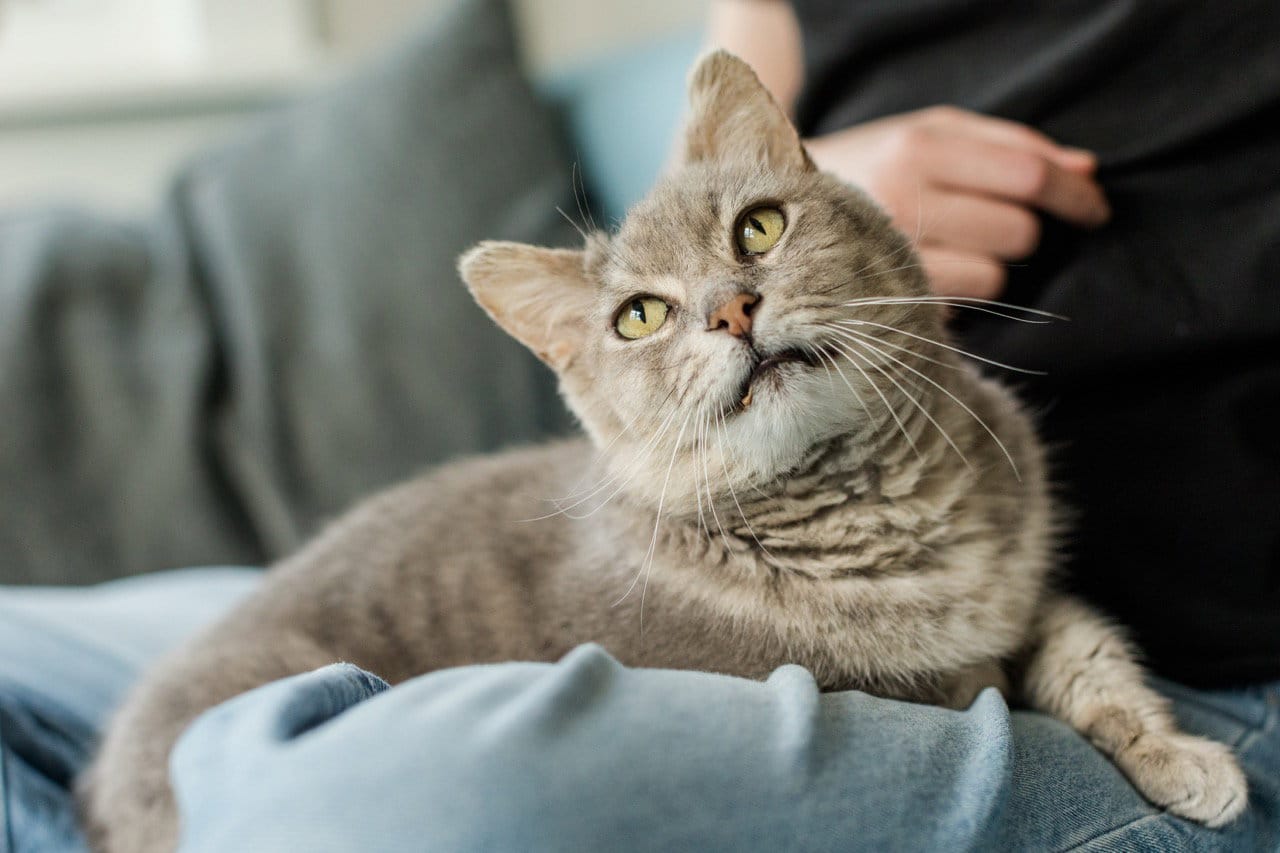
Gandalf is a senior cat with some health care needs being cared for by a foster working with Cat Town in Oakland. He needs an experienced cat person and that person might be you! Their staff say: "This mellow tabby is friendly with new people and quick to seek out laps, quiet company, or a cozy spot nearby. His foster calls him the perfect binge-watching and book-reading buddy." If you have a pet of the week nomination from a shelter or rescue in your area, you can email POTW at allmydeadcats.com.
About those tips
Not really into any of the options abovea? You can create your own, customized to your dog and life. I recommend a spreadsheet format, but you don't have to! Pick and choose the things that are helpful to you from other QOL tools, and then think about the things specific to your dog. Like maybe there's a green ball they LOVE and less interest in that ball might be a worrisome sign for you, or they have a thing for mozarella sticks in particular, not just food in general, that you want to keep track of. You can set up your own points sytem for each item, or you can be more free-form rather than trying to assign specific numbers.
If you can, sit down with a quality of life tool every day, and sometimes even multiple times a day if you have time, especially if you are noticing rapid changes or want to compare morning to evening. Yes, this generates more data, but more importantly, it gives you a conscious time to sit down, take a break, take a deep breath, and check in on how you and your dog are feeling. If you're a journaling person, you can also write down some notes about how your dog's day went and how everyone is feeling for more subjective information.
I also find it really helpful to take photos and video. When we see pets every day, sometimes signs of decline aren't obvious. When you look at a photo from a week ago, or a month ago, you might suddenly realize that your dog is much thinner, their coat is duller, they're hunched like they're in pain, or they're showing other signs of distress. Videos are even more helpful because you can see if your dog is having trouble walking, appears to be in pain, or is generally not having a good time.
And always remember that these tools are supposed to help you, not give you a numeric cutoff for decisionmaking. This is not a pass/fail test!
Tell your dog I said...
Use the tools you find helpful, and discard the ones you don't
Head on over to submit a question and find resources including pet loss hotlines, quality of life assessment tools, and information on financial assistance with veterinary costs.