Guilt is eating me up: How do I find peace with it and celebrate my cat's time with me?
Dear s.e.,
We lost our cat in January, just shy of his ninth birthday. He had a rare non-cancerous growth in his neck that we had biopsied and removed in 2024, but that returned last year. We got him on the books at an oncology center with the plan of doing a more thorough removal, but a CT scan revealed that the growth had spread much deeper into the tissue than initially thought. We (painfully, duh) arrived at the decision not to pursue a far riskier surgery than anticipated, and instead opted for palliative care. When signs of labored breathing and painful eating arose 1.5 months later, we scheduled an at-home euthanasia and were able to let him pass peacefully.
Though I have lost cats before, I had a very special bond with this one, and the combination of his relatively young age, the complex disease process, and the euthanasia decision have made metabolizing the grief more difficult. I still feel blocked by a lingering cloud of guilt and regret for not taking a gamble on the surgery, or not acting faster. How does one let themselves off the hook for things that feel in retrospect like they could have been handled differently? And how do you re-frame a pet not living as long as you’d hoped, to being grateful for the time you did get?
— Still Sad in Seattle
Howdy, Still Sad!
I’m so sorry for your loss; nine years is a long run with a feline comrade even if it still wasn’t as long as it should have been. Losing cats too young always feels extra awful, especially when you have a deep connection with them and the series of events around their death was complicated and difficult to navigate.
As you noted, guilt makes this process so much harder and longer. It’s also a really common emotion around pet loss, so please know that you are not alone and lots of people—including me!—have struggled with woulda shoulda couldas around big medical decisions for their pets. It’s such a hard responsibility to be in charge of the life and wellbeing of another creature across a species divide where it’s hard to talk directly with them about the choices you are facing or learn about what they want.
I think, for what it’s worth, that you made the right decisions here. Sometimes it helps to have someone say that out loud when you’re feeling weighed down, wondering if you made the wrong choice, maybe especially when that person is a stranger who doesn’t have a personal stake in the situation.
Grief is growth; growth can be very painful, but on the other side, it is something green and new, filled with possibility.
Want more like this? Subscribe to make sure you get more Tell Your Cat I Said... advice in your inbox every week!
If you’d come to me asking for advice about what to do in this situation, I’d have told you to do exactly what you did: Something was wrong, you went to the vet to find out what, got some options for care, and based on additional diagnostic information, you opted to focus on short-term quality of life with palliative care. You knew that the surgery would be invasive and might not even be successful—it’s possible they couldn’t remove the growth entirely and you would have faced the treadmill of more surgery, more medications, more vet appointments. The healing process and ongoing care could have been pretty grueling for your cat and it probably would have been a cloud over your remaining time together, which might have come with its own feelings of guilt.
It sounds like you had an honest and thoughtful household conversation about what you thought was best for him, and came to a conclusion with a lot of care and intentionality. Those six weeks were, I hope, quality time together even though your cat was obviously declining, and I’m glad you were able to do an at-home euthanasia and have a positive experience.
Could you have acted sooner? Honestly, probably not. Cats, as we know, are notorious for hiding how they are feeling and often don’t communicate that they’re in pain. With so much of this growth clearly happening in places you couldn’t see, unless you are an MRI machine, you probably had no idea what was going on until it was pretty far advanced. And based on the earlier biopsy, you had every reason to believe this issue was resolved, so you were definitely not slacking as a cat guardian here.
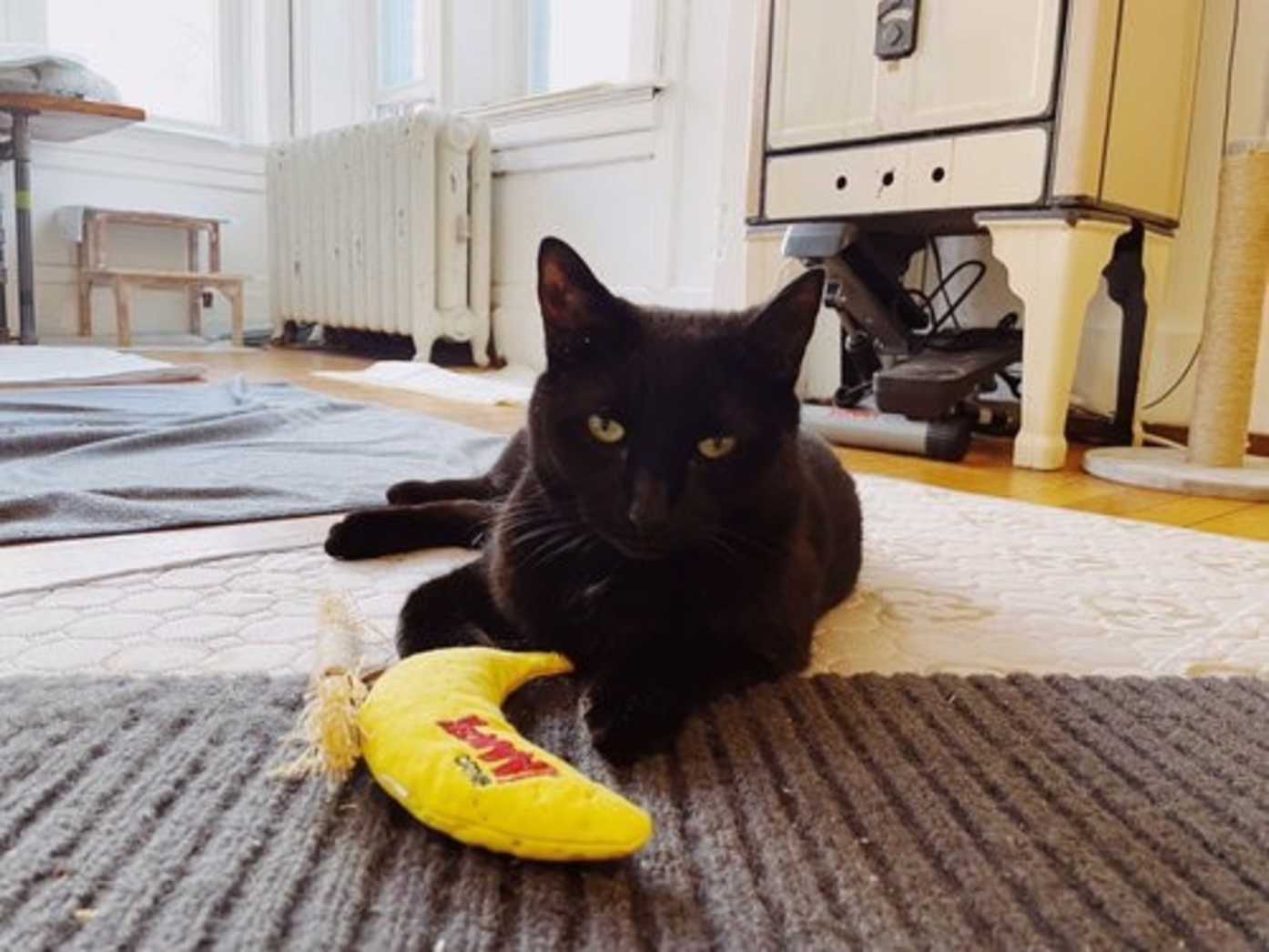
Midnight is a charming lady in foster care through Black Cat Rescue in Somerville, MA. Despite surviving a dog attack, this sweet girl gets along with dogs and other animals, and her fosters say she enjoys chasing and collecting her toys, snuggling at night time, and being very goofy. Midnight has some continence issues due to her injuries and is rocking the diaper lifestyle, but she's a good sport about it and it doesn't slow her down. Contact the rescue to learn more! If you have a pet of the week nomination from a shelter or rescue in your area, you can email POTW at allmydeadcats.com!
We can torment ourselves over the choices we make and imagine a thousand different timelines, but we’re in the one what we’re in. We often learn from the choices we made—or didn’t, and again, I really do think you made the right choice here.
So I think you gotta cut your past self a break, even though that’s easier said than done. Ask yourself if you would be as hard on someone you care about if they told you this story, if you would judge them for making tough, but evidence-based, decisions for their pet, if you would think harshly of them for focusing on good quality of life. If it helps, talk to people like me about the choices they would make in this situation: I think you’re going to find that most of us will tell you that you did the right thing. (Sorry to keep harping on this, but it's true!)
If you’re a person like me who endlessly games out scenarios in bed at night, you can ask yourself what this might have looked like with different choices, but that’s a real easy way to spiral out. There’s certainly a chance that the surgery could have been successful and your cat went on to live many happy years, but that’s pretty unlikely, and it’s a rough gamble to make. Those different choices probably would have looked like a longer life, but poorer quality of life, which wouldn’t have been fair to anyone. In some parallel timeline, other you is writing other me to ask whether a second risky surgery, a third, chemotherapy, radiation, is the right choice for your cat—and other me is probably telling other you that it sounds like you’re in a world of diminishing returns and suffering.
We are always going to find something to criticize ourselves for, something to regret, something to wonder about, something to punish ourselves for. “Be kind to each other, for everyone is fighting a hard battle” feels like one of those cheesy things you’ll find embroidered on a pillow on Etsy, but I think people often overlook the unsaid here: Be kind to yourself.
In my personal life, I reflect a lot on your second question: So many of the people and animals I mourn were not here long enough and it is really upsetting to live with that. These out of order, untimely deaths haunt me. I hate it when people blast me with pablum like “everything happens for a reason” and “some cats are too good for this world” because we should admit that some things just suck and are not fair: Saying that is a really important part of integrating that into our growth with grief. It sucks. It's not fair.
But we can’t let these truths overshadow the experiences we did have together. I think it’s worth reflecting on your special bond and thinking on what the two of you did together and meant to each other. Think about the parts of that companionship that you will carry with you into the future in your relationships with other people and animals. Think about how every relationship, no matter how brief, brings something important to our lives and that the impact of these relationships resonates after they end. The time you had together was indeed a gift, and it made your life materially better. I doubt you'd trade away a single minute of it, even if it ended in a deeply upsetting way.
Grief is growth; growth can be very painful, but on the other side, it is something green and new, filled with possibility.
Send your future self a present: Preorder my book, All My Dead Cats and Other Losses: Practicing Good Grief in a Culture That Fears Mourning, which comes out in just four weeks!
HOWEVER, if you’re really struggling with guilt and it’s maybe starting to disrupt your life—you’re having trouble focusing, really fixating on these thoughts constantly, not sleeping well, feeling really overwhelmed all the time—I think it’s also worth making a couple of appointments with a therapist to talk about it. As much as I love running my mouth with advice, I am not a credentialed professional. I’m a big fan of therapy and think everyone benefits from it, especially when you approach it with an open-ended perspective rather than feeling like you gotta get through three sessions and get a trophy. Having a safe space to talk through your feelings and get support can be incredibly helpful.
The Association for Pet Loss and Bereavement maintains a database of, among other things, counselors who specialize in pet loss—including people who take online clients, if you prefer that. You can also search for grief counselors in your area and do a vibe check on their websites to see if they’d treat your loss with care, or you can reach out to a pet loss support hotline to talk with someone about your feelings (I have links to a few pet loss resources here).
Nothing can take your time with each other away from you, and I'm glad that you reached out for some friendly words for hard times. Sometimes the very process of doing that is catharsis enough—I hope that you found some comfort here. And, in a funny twist, this, too, is a gift from your cat, because someone else may read it and find something of value too, your cat's long paw reaching out in a ripple effect to people he never knew.
Tell your cat I said…
The joy is in the knowing, and I'm glad to have known you
Head on over to submit a question and find resources including pet loss hotlines, quality of life assessment tools, and information on financial assistance with veterinary costs.