
What should I do if the worst happens to my son's dog while he's away at college?

Dear s.e.,
My son is headed off to college in the fall, and his dog Amber is going to be staying home with us. I might just be catastrophizing here, but Amber is a senior dog and I'm terrified that something horrible might happen while he's far from home. What if we have to make a huge medical decision without him? I am haunted by the "parents kill child's dog while they're in college" trope and I really don't want it to happen to me.
— Anxious Parent
Hello, Anxious!
I can understand why you're stressing out about this; it is an unfortunate reality that a lot of college-aged young people can't bring their pets with them, and those pets are often childhood pets who are in their golden years. I'm sure he is also stressed out about this (I know I was when I left my childhood cats in my father's care, though if it's any reassurance, both of them lived long lives with me in subsequent apartments and houses after graduation).
I can't throw up a stop sign in front of death for you, but I do have some advice on how to navigate this situation.
My book, All My Dead Cats and Other Losses: Practicing Good Grief in a Culture That Fears Mourning, is out now! And good news for listeners: The audiobook, narrated by Em Grosland, is part of Audible's summer sale for Premium Plus members, running through August 10th, though you can also get it from anywhere else audiobooks are sold (or loaned).
From the jump, consider a senior dog workup at the vet if she hasn't had one. They can do bloodwork, urinalysis, and any other testing they might recommend to make sure she's in good health. If they do identify issues, you can get a head start on managing them, and if she's in good shape, if a little grey around the muzzle, you have a great baseline to refer back to if she develops health problems in the future. You can also ask if there's any routine care they might recommend, like a dental cleaning or dietary support for aging joints.
Along with that proactive medical appointment, it's time to just name it: Everyone's probably thinking about it, so set up a time to have a conversation about Amber's care. You can say that you're worried about the possibility that she'll have more health care needs coming up, including potentially serious or complicated diagnoses, and that you want to make sure he plays an active role, even from afar.
It might not be a fun conversation, but in a way, this is a blessing in disguise: This gives you all a chance to talk about what you want for Amber before you're in a crisis situation trying to make really big decisions. It's the kind of advance planning I constantly harp on because it's a really good idea for everyone of all species and ages.
You all are probably going to learn some important things about each other!
Make sure your son knows that you're attentive to her health and will get her to the vet pronto if you notice anything wrong. He could even video or call into the veterinary appointment if he wants to be a part of it, or you could give him a readout afterwards. He also has the option of talking to the vet directly about it, which can be helpful if you want to avoid playing telephone or scrambling information.
That also gives him a chance to participate in the conversation about diagnosis and treatment, which might be as simple as "yes, let's give her antibiotics for that infection" or "that behavior doesn't sound normal for her." If it looks like an issue is more serious and chronic, he can be part of that conversation too. That can include decisions like pursuing or declining additional diagnostic testing; discussing treatment options like surgeries, medications, and procedures; seeking second opinions; or, in the scenario we are all dreading, discussing hospice and palliative care if you feel it's the best option in the case of a terminal diagnosis.
By getting these things all out on the table now, you're signaling that while you hope this doesn't come up, if it does, you have an active plan to include him. You're not going to make any wild decisions behind his back, or hide health issues because you don't want to distract or upset him in his first year at college. That's going to be really reassuring for him to hear.
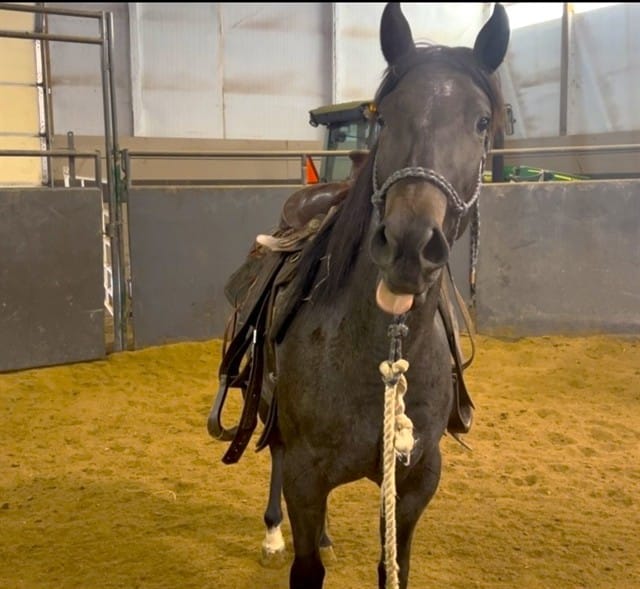
Melody is a two-year-old, 12.1 hand mare housed at the Harmony Equine Center, managed by Humane Colorado. They report that she's smart, personable, and quick to pick up skills: She's already doing well with groundwork and has a strong foundation for a rider interested in this sweet girl with so much potential and life ahead of her! Have a Pet of the Week nomination? Send it to POTW at allmydeadcats.com.
This is also an important moment to be frank about when your family's focus will move from actively trying to cure Amber to focusing on keeping her comfortable because she has a terminal diagnosis or one you do not feel equipped to treat—that might be because of cost, logistics, or knowing that it's something she wouldn't tolerate and you don't want to make her last weeks or months miserable. Hopefully that decision point is a long way off, and know that it's impossible to predict everything, and nothing is set in stone. You're not making permanent decisions here, just thinking ahead.
Consider any hard stops you might have, and ask your son to bring his up as well. If you have differences of opinion, like one of you being willing to pay for an expensive surgery while the other is not, talk those through. Amber's personality is an important thing to think about here too. Your son knows her really well, and likely has a good sense of what feels best for her. No one is right or wrong in this conversation, and everyone should feel like they're being heard and respected.
Your capacity is also an important thing to be frank about. You're going to be Amber's primary caregiver most of the time, which means more daily responsibilities like walking her, giving her enrichment, and making sure she's living her best life. If she develops a medical issue that requires medical care at home, how much are you able to provide? A week's worth of pills can be very different from giving fluids, managing a feeding tube, or dealing with incontinence. If you have concerns about this, you're not a bad person! If you're not sure how you feel about them yet, that's okay too. But you should let your son know.
This part of the conversation can be hard, but it's much better in the abstract and theoretical than when you're being asked if you want a $7,000 emergency surgery that has to happen right now.
The last, and most difficult, thing to talk about is this: What would your son like you to do if Amber is in a medical crisis where humane euthanasia is the best possible outcome, and it needs to happen as soon as possible, or when she's at a critical point and he can't be reached for input? While I'm sure he would desperately like to come home to be with her, there may be a situation where that's just not feasible, and phone or video call so he can spend some time with her would be your best option.
Does he trust you, your vet, and other people in the family to know when it would be reasonable to wait for him to get home, and when it just wouldn't be fair to Amber? If he's feeling unsure, what can you do to reassure him? If the worst does happen, how can he participate in next steps, like deciding whether she should be buried or cremated, and holding a memorial for her when he's back home?
We often surprise each other with our capacity for understanding and empathy when we're just open with one another. Simply starting up this conversation, and saying that it doesn't have to happen all at once and you can continue making decisions collaboratively, will be a huge weight off you both.
It's entirely possible that Amber's going to keep being her healthy, active self, albeit maybe a little slower, or that she develops some common issues that are easily managed. If she does develop more serious health problems, knowing that everyone has talked about what they want for her will help you all focus on loving and caring for her and each other.
Tell your (son's) dog I said...
Seriously though, please just live forever
Head on over to submit a question and find resources including pet loss hotlines, quality of life assessment tools, and information on financial assistance with veterinary costs.